
Commercial properties need regular improvements to remain safe, comfortable, and efficient. Whether you own an office, retail store, warehouse, or other business building, the right upgrades can improve daily operations and reduce running costs. From energy-saving solutions to better lighting and modern security systems, several services can help make a commercial property more functional. Investing in these improvements can also create a better environment for employees, customers, and visitors.
Commercial Solar Panels: Reducing Energy Costs
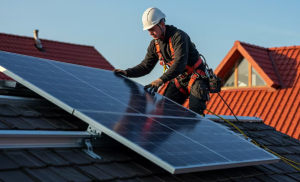
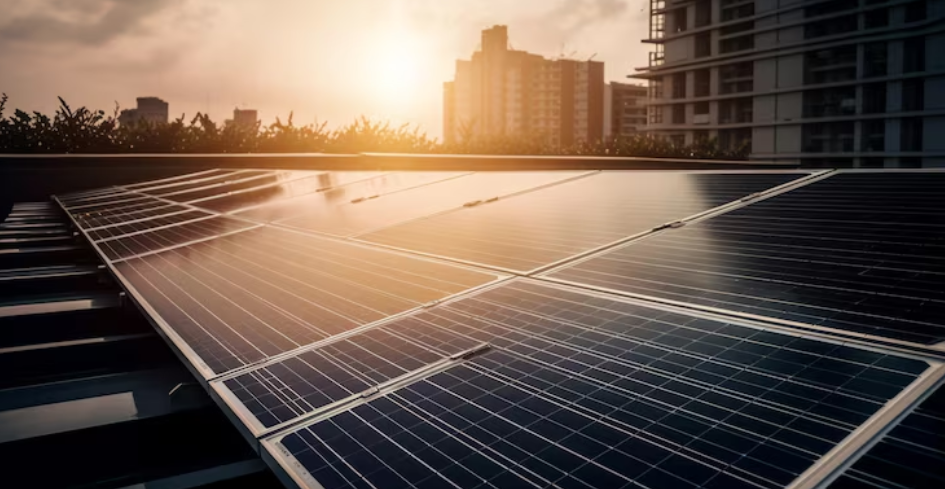
Electricity is one of the main expenses for many commercial properties. Installing commercial solar panels can help businesses generate their own electricity and reduce their dependence on the traditional power grid. Solar energy is especially useful for buildings with large roofs that receive plenty of sunlight. Over time, this upgrade may lower electricity bills and support more sustainable business operations. Before choosing a system, property owners should consider their energy needs, roof condition, available space, and installation costs.
Solar Installation: Making the Most of Renewable Energy
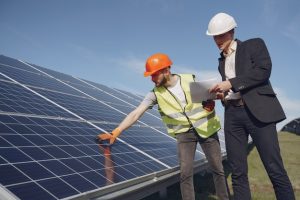
Choosing the right equipment is only one part of improving energy efficiency. Professional solar installation helps ensure that the system is designed, positioned, and connected correctly. Qualified installers can assess the property’s electrical requirements, select suitable equipment, and check that the system meets applicable safety standards. Proper installation can improve performance and reduce the risk of technical problems. Regular maintenance also helps keep the solar system working effectively over the long term.
Energy-Efficient Lighting: Improving Visibility and Savings
Lighting affects both energy use and the working environment. Replacing older lights with LED fixtures is a simple way to improve efficiency in offices, corridors, storage areas, and parking spaces. LEDs generally use less electricity and last longer than traditional bulbs. Motion sensors and timers can further reduce energy waste by turning lights off when areas are not in use. Better lighting also improves visibility, helping employees and visitors move around the building safely.
HVAC Upgrades: Creating a Comfortable Workplace
Heating, ventilation, and air conditioning systems help maintain comfortable indoor temperatures and air quality. An outdated system may consume too much energy while struggling to cool or heat the building properly. Upgrading to an efficient HVAC system can improve comfort and help control utility costs. Regular filter changes, equipment inspections, and duct cleaning can also support reliable performance. Property owners should choose a system that matches the building’s size and occupancy needs.
Smart Building Technology: Managing Daily Operations
Modern technology makes it easier to control different building functions. Smart thermostats, automated lighting, access control systems, and energy monitoring tools can help property managers manage resources more effectively. These systems allow users to adjust settings based on working hours and occupancy. Monitoring energy consumption can also reveal areas where electricity or heating is being wasted. As a result, businesses can make informed decisions about future improvements.
Insulation and Maintenance: Protecting the Property
Good insulation helps prevent unwanted heat from entering or leaving a building. Improving roof insulation, sealing gaps around windows, and repairing damaged doors can reduce heating and cooling demands. Alongside insulation, regular property maintenance is important for preventing small problems from becoming expensive repairs. Checking plumbing, electrical systems, roofing, and drainage helps maintain safety and avoid unnecessary interruptions to business activities.
Conclusion
Improving a commercial property requires a combination of energy-saving upgrades, modern technology, and regular maintenance. Solar panels, professional installation, efficient lighting, HVAC improvements, and better insulation can all support lower operating costs and improved functionality. By assessing the building’s needs and prioritizing suitable upgrades, property owners can create a safer, more comfortable, and more efficient space for everyone who uses it.