

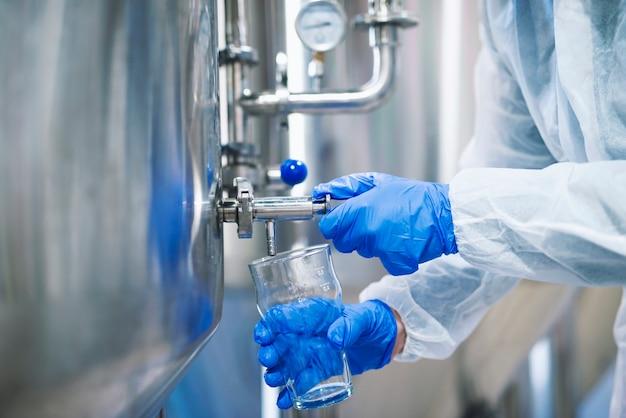
Industrial plants depend on clean, well-managed water for cooling, processing, and discharge. Chlorine has long been one of the most widely used chemicals for keeping those systems safe from microbial growth. It works as an oxidizing disinfectant, and results depend on dosing, water chemistry, and monitoring. This guide explains six roles it plays in industrial water treatment systems.
1. Disinfecting Water and Controlling Microorganisms
The core job is killing or limiting bacteria and other organisms. When chlorine is added to water, it forms hypochlorous acid, which penetrates cells and oxidizes their internal components.
This reduces the microbial load in cooling water, process water, and treated wastewater. Facilities usually keep a measurable residual so protection continues after dosing. Residual levels should match your system’s needs.
2. Controlling Biofilm and Fouling
Biofilm can coat pipes, heat exchangers, and tower fill, reducing heat transfer and raising maintenance costs. Chlorine is commonly dosed into cooling systems to help limit these films.
Low or irregular doses may not be enough, because organisms can recover quickly after a feed stops. Regular cleaning, combined with consistent dosing, gives better control. Remove loose deposits so treatment can reach surfaces.
3. Managing Residuals and pH
Water chemistry strongly affects performance. Chlorine works best as hypochlorous acid, and the share of that active form falls as pH rises. Many cooling programs run at alkaline pH to protect metal, which can weaken its disinfecting power.
Operators should test free and total residuals regularly and adjust dosing to match actual conditions. Retest after any major process change.
4. Monitoring and Automated Dosing
Modern systems measure instead of guessing. Plants often track free chlorine, pH, and oxidation-reduction potential, then use controllers and dosing pumps to maintain targets.
Chlorine demand changes with temperature, contamination, and organic load, so manual dosing can swing too high or too low. Calibrate sensors regularly and record results for audits. Keep spare sensors and reagents available.
5. Safety, Corrosion, and Environmental Care
More is not always better. Excess chlorine can contribute to corrosion of equipment, and discharge limits may apply where treated water leaves the site.
Workers need training, protective equipment, ventilation, and safe storage, because concentrated products can be hazardous. Never mix incompatible chemicals, and follow safety data sheets and local environmental rules.
6. Knowing When Other Options Help
No single biocide fits every system. At higher pH or in water with heavy contamination, chlorine may lose effectiveness, so some plants use bromine-based products, chlorine dioxide, or a rotation of treatments.
A qualified water treatment specialist can review your system and test results. Choose a program based on data, not habit. Ask for written recommendations and test data.
Final Thoughts
Chlorine remains a practical tool for disinfection and biofilm control when it is applied carefully. Success depends on correct dosing, pH control, monitoring, safety practices, and regular review of results. Work with qualified specialists, follow regulations, and keep detailed records. Compare alternatives when conditions change, and train staff on safe handling. With steady attention, your facility can protect equipment, reduce downtime, and support safer, more efficient industrial operations.