
Innovation has always played an important role in economic growth and industrial development. New technologies improve productivity, create business opportunities, and change how people live and work. However, traditional innovation has often prioritized speed, convenience, and profitability without fully considering environmental consequences. Rising pollution, climate change, resource shortages, and increasing waste have exposed the limitations of this approach. Businesses and research institutions now face a different challenge. They must develop solutions that create economic value while protecting natural resources and reducing environmental damage. This is where sustainability in innovation becomes essential. It combines technological progress with environmental responsibility throughout the development process. Eco-design helps businesses create products with lower environmental impacts. Clean technologies provide alternatives to resource-intensive industrial processes. Green research and development creates opportunities to discover more efficient materials, production methods, and energy systems. These approaches are not simply environmental initiatives. They are strategic investments that can strengthen business resilience, improve competitiveness, and prepare industries for changing market expectations. Organizations that integrate sustainability into their innovation strategies can respond more effectively to environmental risks while contributing to long-term economic development.
The Connection Between Innovation and Environmental Responsibility
Sustainability in innovation refers to developing new products, services, processes, and technologies while considering their environmental, social, and economic consequences. It requires organizations to evaluate more than the immediate performance of an invention. They must also consider how resources are obtained, how products are manufactured, how much energy they consume, and what happens when they reach the end of their useful lives. Traditional innovation models often focus on reducing production costs, increasing output, and improving customer convenience. These objectives remain important, but they do not provide a complete picture of long-term value. A product may be inexpensive to manufacture but difficult to recycle. A technology may improve productivity while consuming excessive energy. Sustainable innovation addresses these trade-offs during the development process instead of treating environmental concerns as an afterthought. It also connects three important dimensions. Environmental responsibility focuses on reducing emissions, waste, and resource consumption. Economic sustainability considers profitability, efficiency, and long-term business stability. Social responsibility addresses employee welfare, community impacts, accessibility, and ethical production. These dimensions should support one another wherever possible. Businesses can begin by introducing environmental criteria into their innovation approval processes. Before investing in a new product or technology, decision-makers should assess its expected resource requirements, environmental footprint, commercial potential, and potential social consequences. This approach helps organizations avoid costly design changes and identify environmental risks earlier.
Eco-Design Principles Reshaping Product Development
Eco-design incorporates environmental considerations into product development from the earliest planning stages. Instead of focusing only on appearance, functionality, and manufacturing costs, designers evaluate the complete lifecycle of a product. This includes raw material extraction, production, packaging, transportation, customer use, maintenance, and disposal. The objective is to reduce environmental impacts without compromising essential product performance. Material selection is one of the most important eco-design decisions. Manufacturers can explore recycled materials, responsibly sourced resources, and lower-impact alternatives. They can also reduce unnecessary components and avoid material combinations that make recycling difficult. Product durability is equally important. Items designed to last longer can reduce replacement frequency and prevent unnecessary waste. Repairability and modular construction offer additional advantages. When individual components can be replaced, consumers do not need to discard entire products because of a single damaged part. Manufacturers can also design products for easier disassembly and material recovery. These principles are particularly relevant to electronics, furniture, appliances, automotive components, and construction materials.
Designing Products With Their Entire Lifecycle in Mind
Lifecycle thinking helps designers identify environmental impacts that may remain hidden during conventional product development. For example, an energy-efficient appliance may require specialized materials or manufacturing processes that increase its initial environmental footprint. However, its lower electricity consumption over several years may create greater overall benefits. Lifecycle assessment provides a structured method for examining these trade-offs. Businesses can use it to compare materials, manufacturing methods, transportation options, and product performance. It also helps identify opportunities to reduce environmental impacts at different stages. Another important consideration is packaging. Excessive packaging increases material consumption and transportation requirements. Companies can reduce these impacts through lightweight designs, reusable containers, and recyclable packaging formats. The best solution depends on product protection requirements, local recycling systems, and customer behavior.
Moving From Sustainable Concepts to Market-Ready Products
Eco-design must balance environmental performance with practical market requirements. A sustainable product still needs to be safe, reliable, affordable, and convenient. Businesses should test new materials under realistic operating conditions before introducing them at scale. They should also involve suppliers, engineers, manufacturing teams, and customers during development. Early collaboration helps identify problems related to material availability, production compatibility, and maintenance. Customer feedback is especially useful when sustainability features change product appearance, functionality, or purchasing costs. Companies should communicate these features clearly and support claims with measurable evidence. This builds trust and reduces the risk of greenwashing.
Clean Technologies Accelerating the Transition to Sustainable Industries
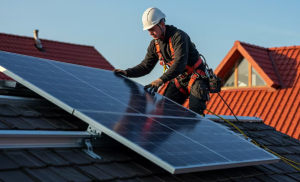
Clean technologies are systems, equipment, and processes designed to reduce environmental damage while improving resource efficiency. They are becoming increasingly important as industries seek practical ways to lower emissions and manage energy consumption. Renewable energy is one of the most visible examples. Solar and wind power provide alternatives to electricity generated from fossil fuels. Energy storage technologies help manage the variable output of renewable sources by storing electricity for periods when generation is lower. Smart grids can improve electricity distribution through real-time monitoring and better demand management. Clean technologies also extend into industrial production. Energy-efficient motors, heat recovery systems, electrified industrial equipment, and improved insulation can reduce energy requirements. Water treatment technologies help industries reuse wastewater and limit freshwater consumption. Advanced filtration systems can also support cleaner manufacturing operations. Digital technologies contribute to these improvements. Sensors, artificial intelligence, and automated monitoring systems can identify inefficient equipment, detect leaks, and optimize production schedules. However, adopting clean technology requires careful planning. Businesses must evaluate installation costs, maintenance requirements, energy sources, and expected performance. A technology should not be considered sustainable simply because it is marketed as environmentally friendly. Organizations need to measure its actual environmental contribution across its lifecycle. For example, electric industrial equipment may reduce direct emissions, but its overall impact also depends on how the electricity is generated. Strategic investment should therefore prioritize technologies that deliver measurable improvements under real operating conditions.
Green Research and Development as a Driver of Long-Term Progress
Green research and development focuses on discovering and improving solutions that reduce environmental impacts. It includes research into alternative materials, renewable energy, cleaner manufacturing processes, pollution prevention, and resource recovery. Unlike short-term operational improvements, green R&D can create technologies that influence entire industries. It also helps organizations prepare for future environmental regulations and changing market expectations. Companies that invest in research can identify opportunities before sustainable alternatives become industry requirements. However, successful green R&D requires clear priorities. Organizations should connect research programs with specific environmental and commercial challenges. These may include reducing production emissions, replacing hazardous materials, improving battery performance, or developing more efficient water management systems.
Integrating Environmental Goals Into R&D Strategies
Environmental objectives should influence research decisions from the beginning. Research teams can establish measurable targets related to energy consumption, material efficiency, emissions, and waste generation. Lifecycle assessments can help compare experimental solutions and identify unintended environmental consequences. Material scientists, engineers, environmental specialists, and commercial teams should work together. This interdisciplinary approach prevents research from becoming disconnected from practical industry requirements. For example, a laboratory may develop a promising biodegradable material. However, manufacturers must also determine whether it can be produced consistently, whether it meets safety standards, and whether suitable disposal or composting infrastructure exists. These questions should be considered before significant investment is committed.
Turning Research Breakthroughs Into Scalable Solutions
A successful laboratory experiment does not automatically become a commercially viable technology. Moving from research to industrial adoption requires testing, validation, financing, and manufacturing readiness. Pilot projects provide an important bridge between experimentation and large-scale implementation. They allow organizations to evaluate performance under realistic conditions and identify technical limitations. Businesses should define clear success criteria before launching pilot programs. These may include production costs, energy savings, product reliability, environmental performance, and customer acceptance. Universities, startups, established manufacturers, and public research institutions can also share expertise and resources. Strategic partnerships reduce development risks and improve access to specialized knowledge. Companies should avoid scaling technologies before understanding their operational requirements. Premature investment can create expensive infrastructure that fails to deliver expected results.
Business Opportunities Created by Sustainable Innovation
Sustainable innovation can create new revenue opportunities while improving existing business operations. Consumers, investors, and business partners increasingly consider environmental performance when evaluating organizations. Companies that develop credible sustainable products can strengthen their market position and differentiate their offerings. Renewable energy, green construction, sustainable packaging, electric mobility, and resource-efficient manufacturing are examples of sectors creating opportunities for innovation. Businesses can also improve profitability through operational efficiency. Reduced energy consumption lowers utility expenses. Better material management can reduce procurement costs. Waste prevention may improve production yields and decrease disposal fees. Sustainable innovation can also strengthen supply chain resilience. Companies that depend heavily on limited natural resources may face price fluctuations and supply disruptions. Exploring alternative materials and circular production systems can reduce some of these risks. However, organizations should connect sustainability investments with realistic commercial objectives. They need to assess customer demand, production capacity, regulatory requirements, and long-term operating costs. Environmental benefits alone may not guarantee market success. A strong business case should explain how a proposed solution creates value for customers while improving environmental performance. Transparent reporting can further strengthen credibility. Companies should communicate measurable achievements instead of relying on broad claims about being green or environmentally friendly.
Barriers That Slow Down Environmental Innovation
Despite growing interest, sustainable innovation faces several significant barriers. High research and development costs are among the most common challenges. Developing new materials, testing clean technologies, and upgrading production systems can require substantial investment. Smaller companies may struggle to access the financing and technical expertise needed for these activities. Infrastructure limitations create additional difficulties. Renewable energy projects depend on suitable electricity networks and storage capacity. Recycling technologies require reliable collection and sorting systems. Clean transportation solutions need supporting charging infrastructure. Without these foundations, promising innovations may struggle to achieve widespread adoption. Regulatory uncertainty can also affect investment decisions. Different environmental standards across markets may increase compliance costs and complicate product development. Businesses need to monitor changing requirements and consider regulatory compatibility when selecting technologies. Greenwashing presents another challenge. Some organizations exaggerate environmental benefits or use vague sustainability claims without supporting evidence. This damages consumer trust and makes it harder for genuinely sustainable products to stand out. Measurement is equally difficult. Environmental impacts can occur across multiple supply chain stages, making it challenging to identify where improvements are most significant. Organizational resistance and skills shortages may further slow progress. Employees need training to work with new materials, technologies, and production methods. Leaders must also create incentives that encourage experimentation and responsible decision-making. Addressing these barriers requires long-term planning rather than isolated sustainability campaigns.
Practical Ways to Build Sustainability Into Innovation Strategies
Organizations can make sustainability part of everyday innovation by introducing clear processes and measurable objectives. The first step is to identify the environmental challenges most relevant to their operations. A manufacturing company may prioritize energy efficiency and material waste, while a technology business may focus on electronic waste and product durability. Once priorities are established, businesses should integrate environmental criteria into research, procurement, design, and production decisions. Lifecycle assessments can help teams evaluate potential impacts before approving major investments. Cross-functional collaboration is also essential. Engineering, finance, procurement, marketing, and environmental teams should participate in innovation planning. Each department contributes a different perspective on cost, performance, customer needs, and environmental consequences. Pilot programs offer a practical way to test emerging solutions. Companies can introduce new materials, renewable energy systems, or efficient manufacturing processes on a limited scale before expanding implementation. They should establish baseline measurements and compare results after implementation. Useful performance indicators include energy consumption per product, water usage, waste generation, recycled material content, and greenhouse gas emissions. Supplier collaboration should also be a priority. Businesses can encourage suppliers to improve material traceability, disclose environmental information, and adopt responsible manufacturing practices. Employee engagement strengthens implementation further. Training programs and internal innovation initiatives can help workers identify inefficiencies and propose improvements. Most importantly, sustainability targets should be reviewed regularly. Organizations need to adjust strategies when technologies, market conditions, and environmental requirements change.
Emerging Directions in Sustainable Innovation
The next generation of environmental innovation will be shaped by advances in artificial intelligence, biotechnology, advanced materials, and smart manufacturing. AI-powered systems can analyze operational data and identify opportunities to reduce energy use, improve logistics, and minimize material waste. Biotechnology may support the development of bio-based materials, cleaner industrial processes, and improved waste treatment solutions. Advanced materials research is also creating opportunities for stronger, lighter, and more resource-efficient products. In the energy sector, green hydrogen, improved battery systems, and carbon capture technologies are attracting attention. Their long-term value will depend on cost reductions, infrastructure development, technical performance, and lifecycle impacts. Smart manufacturing systems may also help companies connect production efficiency with environmental monitoring. Sensors and connected equipment can provide real-time information about energy use, emissions, and resource consumption. These developments offer significant potential, but responsible implementation remains essential. Organizations must evaluate safety, accessibility, energy requirements, and unintended environmental consequences. Innovation should solve existing problems without creating larger challenges elsewhere.
Conclusion
Sustainability in innovation is becoming an essential part of responsible business development and technological progress. Eco-design encourages companies to consider product lifecycles, material efficiency, durability, and recyclability. Clean technologies provide practical ways to reduce emissions, improve energy efficiency, and manage natural resources. Green research and development creates opportunities to discover solutions that can transform industrial processes and support long-term environmental goals. However, successful implementation requires more than adopting new technologies. Businesses must establish measurable objectives, invest in research, collaborate with suppliers, and evaluate environmental performance throughout the innovation lifecycle. They must also address financial barriers, infrastructure limitations, and the risks of unsupported sustainability claims. Organizations that approach environmental innovation strategically can create stronger products, more efficient operations, and resilient business models. By making environmental responsibility part of every stage of innovation, industries can contribute to a future where economic progress and environmental protection reinforce one another.