

Innovation has always helped industries improve products, increase efficiency, and respond to changing customer expectations. However, traditional innovation often focused on performance, convenience, and profitability without fully considering environmental consequences. Growing climate concerns, resource shortages, and increasing waste have changed this approach. Businesses now need solutions that create commercial value while reducing environmental damage. This shift has made sustainability an important part of modern product development.
A sustainability in innovation guide helps businesses understand how environmental responsibility can influence research, design, manufacturing, distribution, and product disposal. It also highlights the importance of considering long-term consequences before introducing new products to the market. Companies are increasingly exploring renewable materials, energy-efficient technologies, circular production systems, and responsible supply chains. These developments are changing how industries compete and create value. Sustainable innovation is no longer simply an environmental initiative. It is becoming a strategic requirement for businesses preparing for future market conditions.
Understanding Sustainability as a Foundation for Innovation
Sustainability in innovation refers to developing new products, services, processes, and technologies that support economic growth while minimizing environmental and social harm. It combines creative problem-solving with responsible resource management. The objective is not just to produce something new. It is to create solutions that remain useful and viable without placing unnecessary pressure on natural resources.
This approach involves three connected dimensions. Environmental sustainability focuses on reducing pollution, conserving resources, protecting ecosystems, and limiting carbon emissions. Economic sustainability ensures that innovative solutions remain financially practical and commercially competitive. Social sustainability considers worker welfare, consumer safety, accessibility, and responsible business practices.
These dimensions must work together. A product made from recycled materials may offer environmental benefits, but its production process could still require excessive energy. Similarly, an energy-efficient product may not be sustainable if its components are difficult to repair or recycle. Businesses must evaluate the complete impact rather than relying on one positive feature.
Strategic sustainability also requires organizations to reconsider how they define innovation success. Instead of measuring progress only through sales, production speed, or technical performance, companies should consider product lifespan, resource consumption, emissions, and waste generation. This broader perspective encourages innovation that creates lasting value.
How Sustainable Thinking Changes the Product Development Process
Sustainable product development begins before the manufacturing stage. It influences decisions during market research, concept development, material selection, engineering, production, packaging, and distribution. Businesses that introduce environmental considerations early can avoid expensive redesigns and reduce unnecessary resource consumption.
Lifecycle thinking is particularly important. A product may appear environmentally responsible during manufacturing but create significant problems during transportation, everyday use, or disposal. Lifecycle assessment helps businesses identify these impacts across different stages. It provides a more complete understanding of environmental performance and supports better design decisions.
Designing Products Around Resource Efficiency
Resource-efficient design focuses on achieving product functionality with fewer materials, less energy, and reduced waste. Engineers can use lightweight structures, optimized components, and durable materials to improve performance without increasing environmental pressure.
Modular product design is another useful strategy. It allows individual components to be repaired, upgraded, or replaced without discarding the entire product. Electronics manufacturers, for example, can design devices with accessible batteries and replaceable components. Furniture companies can develop products with interchangeable parts to extend their useful life.
Material selection also matters. Recycled plastics, responsibly sourced timber, reclaimed metals, and certain bio-based materials can reduce dependence on virgin resources. However, businesses must evaluate their durability, safety, availability, and processing requirements before adopting them.
Moving Beyond Traditional Manufacturing Methods
Conventional manufacturing can consume significant amounts of electricity, water, and raw materials. Sustainable production methods aim to reduce these demands through cleaner technologies and more efficient processes.
Digital modeling allows engineers to test product concepts virtually before building physical prototypes. This can reduce material waste and shorten development cycles. Advanced manufacturing technologies, including additive manufacturing, can also produce complex components with less material in suitable applications.
Manufacturers should examine production waste, machine efficiency, energy consumption, and water usage together. Improving one process while ignoring the rest may simply shift environmental problems elsewhere. A coordinated approach creates more meaningful improvements.
Industries Transforming Through Environmentally Responsible Product Design
Sustainable innovation affects industries differently because each sector has its own materials, production methods, customer expectations, and environmental challenges. However, the underlying objective remains similar: improve product value while reducing negative environmental effects.
Automotive and Transportation
The automotive industry is undergoing a major transformation through electric mobility, lightweight engineering, and alternative energy technologies. Electric vehicles can reduce direct tailpipe emissions and support cleaner transportation when powered by increasingly renewable electricity.
Manufacturers are also investing in battery efficiency, recyclable components, and improved production methods. Battery manufacturing remains a significant challenge because it requires energy-intensive processes and materials such as lithium, nickel, and cobalt. Responsible sourcing, longer battery lifespans, and effective recycling systems are therefore essential.
Vehicle manufacturers should consider the entire battery lifecycle when developing electric transportation solutions. Improving charging efficiency and developing second-life battery applications can also create additional environmental and commercial value.
Consumer Electronics and Technology
Consumer electronics create sustainability challenges because products often contain multiple materials and become outdated quickly. Smartphones, computers, televisions, and household devices can generate substantial electronic waste when consumers replace them frequently.
Manufacturers can address this problem through durable designs, replaceable components, software support, and accessible repair services. Recycled metals and plastics can also reduce demand for newly extracted resources.
Energy efficiency is another important consideration. Devices that consume less electricity during operation can reduce their lifetime environmental impact. Technology companies should also examine packaging, transportation, and end-of-life collection systems rather than focusing exclusively on product materials.
Fashion, Construction, and Consumer Goods
The fashion industry is exploring recycled textiles, organic fibers, water-efficient dyeing, and clothing repair initiatives. These strategies can reduce waste and improve material efficiency. However, sustainable fashion also requires better supply chain transparency and responsible labor practices.
Construction companies are adopting low-carbon concrete alternatives, recycled steel, efficient insulation, and responsibly sourced timber. Building designs that maximize natural lighting and ventilation can reduce energy requirements throughout a structure’s lifespan.
Consumer goods manufacturers are also reconsidering packaging and product delivery systems. Refillable containers, concentrated formulas, reusable packaging, and recyclable materials can reduce unnecessary waste. These approaches work best when businesses consider customer convenience and actual recycling infrastructure.
The Role of Emerging Technologies in Accelerating Sustainable Innovation
Technology is becoming a powerful driver of environmentally responsible product development. Artificial intelligence, connected devices, advanced materials, and renewable energy systems help businesses identify inefficiencies and develop better solutions.
Artificial intelligence can analyze production data to identify excessive energy consumption, material losses, and equipment problems. Predictive maintenance systems can detect potential failures before they interrupt operations. This reduces unnecessary repairs, equipment replacement, and production downtime.
The Internet of Things provides another opportunity. Connected sensors can monitor electricity usage, water consumption, temperature, and machine performance. Manufacturers can use this information to adjust operations and reduce resource waste.
Material science is equally important. Researchers are developing biodegradable materials, improved battery technologies, and alternatives to conventional plastics. Some innovations can replace petroleum-based materials in specific applications, although their environmental benefits depend on production methods, disposal conditions, and available infrastructure.
Renewable energy technologies also support sustainable manufacturing. Solar and wind power can reduce dependence on fossil fuels when integrated into suitable energy systems. Businesses can combine renewable electricity with energy storage and intelligent management platforms to improve operational efficiency.
However, technology should not be treated as an automatic sustainability solution. Digital infrastructure, artificial intelligence systems, and advanced manufacturing equipment also consume energy and resources. Organizations must evaluate the environmental costs of adopting new technologies alongside their potential benefits.
Business Advantages of Integrating Sustainability Into Innovation
Sustainability can strengthen business performance when environmental improvements align with operational and commercial priorities. One important advantage is resource efficiency. Companies that reduce material consumption, energy usage, and production waste can lower operating costs over time.
Sustainable product development can also improve brand differentiation. Consumers increasingly encounter environmental claims when comparing products. Businesses that provide credible information about materials, durability, manufacturing, and repairability can build stronger customer relationships.
Another advantage is regulatory preparedness. Environmental standards and reporting requirements continue to influence product design and supply chain management across many markets. Companies that develop reliable environmental measurement systems can respond more effectively to changing expectations.
Sustainability can also create new market opportunities. Reusable products, energy-efficient equipment, recycled materials, and repair services support business models that may generate recurring revenue. Product-as-a-service arrangements are one example. Instead of selling equipment outright, a company may provide access through leasing or subscription models while retaining responsibility for maintenance and recovery.
Collaboration can increase these benefits. Manufacturers, suppliers, research institutions, and technology providers can share knowledge and develop solutions that individual organizations may struggle to create independently. Strategic partnerships are especially valuable when sustainable materials or recycling infrastructure are not widely available.
Major Barriers That Complicate Sustainable Product Development
Despite its advantages, sustainable innovation involves practical and financial challenges. One major barrier is the initial cost of changing established production systems. New machinery, cleaner technologies, alternative materials, and employee training may require substantial investment.
Small businesses can face additional difficulties because they often have limited budgets and less influence over suppliers. They may struggle to access affordable sustainable materials or conduct detailed environmental assessments.
Supply chain transparency presents another challenge. A company may understand its own manufacturing process but have limited information about the environmental practices of its suppliers. Raw material extraction, transportation, and component production can contribute significantly to a product’s overall footprint.
Measuring environmental performance is also complicated. Different assessment methods may produce different results depending on their boundaries, assumptions, and available data. Businesses should avoid selecting only the measurements that make their products appear environmentally favorable.
Greenwashing creates further risks. Companies that make exaggerated or unsupported environmental claims can damage consumer trust and face reputational or regulatory consequences. Terms such as green, natural, and eco-friendly should be supported by clear evidence.
There is also a genuine challenge in balancing affordability, durability, functionality, and environmental performance. A more sustainable material may be expensive or difficult to process. A highly durable product may require more resources during manufacturing. The best solution depends on its complete lifecycle and intended use.
Practical Strategies for Building Sustainability Into Innovation
Organizations need a structured approach to make sustainability part of everyday product development. The first step is establishing clear environmental priorities. Businesses should identify their most significant impacts and connect them with measurable improvement targets.
Lifecycle assessment can support these decisions. By evaluating raw material extraction, manufacturing, transportation, product use, and disposal, companies can identify where environmental improvements will have the greatest effect. This prevents organizations from investing heavily in changes that produce only minor benefits.
Supplier collaboration should also become a priority. Businesses can introduce material traceability requirements, request environmental performance information, and work with suppliers to reduce production waste. Long-term partnerships often make it easier to develop practical alternatives.
Prototyping and testing are equally important. Before introducing sustainable materials across an entire product range, businesses should test their performance, durability, safety, and compatibility with existing manufacturing systems. Pilot projects help identify technical problems while limiting financial exposure.
Companies should also establish measurable indicators. Useful metrics include energy consumption per product, water usage, recycled material content, production waste, carbon emissions, and repair rates. These measurements make progress easier to evaluate.
Employee involvement can strengthen implementation. Product designers, engineers, procurement teams, and marketing professionals should understand the organization’s sustainability objectives. Cross-functional cooperation ensures that environmental considerations remain part of decisions throughout the development process.
Finally, businesses should communicate results honestly. Clear reporting about improvements, limitations, and future targets builds credibility. Transparency is more valuable than making broad claims that cannot be verified.
What the Next Generation of Sustainable Product Development Could Look Like
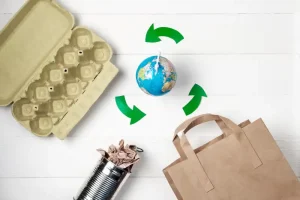
The future of sustainable product development will increasingly depend on circular economy principles. Instead of following the traditional pattern of extracting resources, manufacturing products, and discarding them, businesses can design systems that keep materials in circulation.
Products may increasingly be developed for disassembly, repair, refurbishment, and recycling. Manufacturers can recover valuable components and use them in future production cycles. This reduces dependence on virgin materials and creates opportunities for new service-based business models.
Regenerative materials may also influence future innovation. These materials aim to support environmental restoration or reduce dependence on resource-intensive alternatives. Advances in biotechnology could introduce new manufacturing possibilities, although commercial scalability and environmental performance will require careful evaluation.
Digital product tracking may further improve material recovery. Better information about product composition can help recyclers identify valuable components and process materials more effectively. This could strengthen supply chain transparency and support more responsible resource management.
Future success will depend on combining technological development with realistic business strategies. Companies must consider infrastructure, consumer behavior, investment requirements, and environmental outcomes together.
Conclusion
Sustainability is reshaping product development by changing how businesses design, manufacture, distribute, and manage products. It encourages organizations to look beyond immediate performance and consider resource efficiency, environmental impact, durability, and long-term value. From electric transportation and responsible electronics to sustainable construction and circular consumer goods, industries are discovering new ways to connect innovation with environmental responsibility. However, meaningful progress requires more than adopting green technologies or using recycled materials. Businesses must address supply chain challenges, measure lifecycle impacts, invest in practical solutions, and communicate their achievements transparently. By integrating sustainability into research, design, and strategic decision-making, organizations can develop products that meet evolving market expectations while supporting a more resource-efficient future.