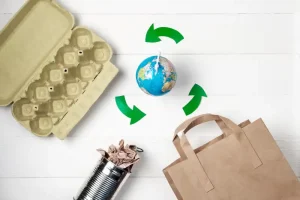


Modern economies depend on materials such as metals, plastics, paper, glass, and electronic components. These resources support manufacturing, construction, transportation, and everyday consumption. However, extracting and processing virgin materials can consume significant energy, damage ecosystems, and contribute to pollution. At the same time, growing waste volumes place pressure on landfills and waste management systems.
This has increased global interest in recycling and material recovery. Instead of treating used products as worthless waste, businesses and communities are finding ways to recover materials and return them to productive use. These efforts support a more responsible approach to resource consumption.
The phrase earth recycled meaning can be understood through this wider environmental movement. It describes the idea of recovering and reusing materials to reduce waste, conserve natural resources, and limit environmental damage. Although it is not a standardized technical term, it reflects an important sustainability principle: materials should remain useful for as long as practical. This principle is closely connected to global recycling networks and circular economy models.
Defining the Earth Recycled Meaning in Modern Sustainability Discussions
The earth recycled meaning relates to the broader goal of protecting natural resources through material recovery. It describes efforts to collect, process, reuse, and recycle materials instead of continuously extracting new resources and disposing of old products.
The concept does not refer to one specific recycling technology or environmental certification. Rather, it represents a wider approach to reducing the pressure that human consumption places on the planet. It includes household recycling, industrial material recovery, commercial waste programs, and manufacturing systems that use recycled inputs.
For example, aluminum recovered from used beverage cans can be processed into new products. Paper fibers can be reused to manufacture cardboard and other paper goods. Glass containers can be collected, processed, and turned into new glass products when suitable facilities are available.
These activities help reduce demand for some virgin resources. However, recycling is only one part of responsible resource management. Reducing unnecessary consumption, repairing products, extending product lifespans, and designing materials for recovery are also important.
Understanding this broader meaning helps individuals and organizations see recycling as part of a connected environmental and economic system rather than an isolated waste disposal activity.
How Global Material Recovery Systems Turn Waste Into Useful Resources
Recycling depends on an organized chain of activities. Materials must be collected, separated, processed, assessed, and delivered to manufacturers that can use them. If one stage fails, the entire recovery process may become less effective.
Collection systems provide the starting point. Households, businesses, public institutions, and industrial facilities separate recyclable materials from general waste. These materials may be collected through curbside services, recycling centers, commercial contracts, or deposit-return programs.
Sorting facilities then separate materials according to type, quality, and processing requirements. Some facilities rely on manual inspection, while others use magnets, optical sensors, air separation, and automated sorting equipment.
Collection and Sorting: The First Steps in Material Recovery
Good collection systems make recycling more practical. Residents need accessible collection points and clear instructions about accepted materials. Businesses need suitable storage areas and reliable collection schedules.
Sorting quality is equally important. Paper contaminated with food waste may become unsuitable for certain recycling processes. Plastic items made from different polymers may require separate treatment. Batteries and electronic waste must be kept out of ordinary recycling streams because they can create safety and contamination risks.
Clear labeling and consistent collection rules can reduce these problems. Local authorities and recycling operators should also communicate changes in accepted materials so that people do not rely on outdated instructions.
Processing and Reintegration Into Manufacturing
After sorting, materials move to specialized processing facilities. Paper may be pulped, glass crushed and cleaned, metals separated and melted, and plastics shredded or processed into usable forms. The exact process depends on material composition and the quality required by manufacturers.
Recovered materials must meet suitable specifications before they can replace virgin inputs. Manufacturers may need to test strength, purity, color, or chemical composition. Contamination can reduce material quality and increase processing costs.
The final stage is reintegration. Recovered materials enter manufacturing supply chains and become components of new products. This closes part of the resource loop and reduces the amount of material that must be extracted from nature.
Explore the Role of Different Materials in a Circular Resource System
Different materials offer different recycling opportunities. Their recovery potential depends on composition, product design, collection infrastructure, processing technology, and market demand.
Paper and cardboard are widely recovered because their fibers can be processed into new paper products. However, repeated processing can shorten fiber length and reduce quality. Manufacturers may therefore need to combine recycled fibers with other suitable inputs.
Metals such as aluminum and steel are valuable recovery materials. They can often be recycled repeatedly while retaining many of their useful properties. Glass can also be recycled into new containers and other products when it is properly sorted and processed.
Plastics present more complicated challenges. Different polymer types, colors, additives, and product combinations can make separation difficult. Some plastics can be mechanically recycled, while others may require specialized processing or may not have practical recovery options in a particular region.
Textiles and electronic products also need attention. Clothing can contain blended fibers, dyes, and accessories that complicate recycling. Electronic waste includes valuable metals alongside components that may contain hazardous substances.
Metals and Glass: Materials With Strong Recovery Potential
Metals offer significant opportunities because many can retain their core properties through repeated recycling. Recovering aluminum and steel can reduce the need for additional mining and processing. It can also provide manufacturers with valuable secondary raw materials.
Glass is another useful material because suitable glass containers can be recycled into new products. However, color separation and contamination control matter. Ceramic fragments, stones, and unsuitable glass types can interfere with processing.
Effective collection and sorting systems help maintain material quality and improve the commercial value of recovered resources.
Plastics, Textiles, and Electronics: More Complex Recovery Challenges
Plastic recovery is often limited by mixed materials and inconsistent product design. Packaging may combine several layers that are difficult to separate. Labels, adhesives, pigments, and additives can also affect processing.
Textile recycling faces similar problems. Products may contain cotton, polyester, elastane, and other fibers in combinations that require specialized separation. Electronic waste needs controlled collection and dismantling to recover valuable components safely.
These challenges show why recycling begins long before a product reaches a waste facility. Manufacturers can improve recovery by choosing simpler material combinations, reducing unnecessary components, and making products easier to disassemble.
Connect Recycling With the Principles of a Circular Economy
A circular economy aims to keep products, components, and materials in use for as long as possible. It moves away from the traditional take-make-dispose model, where resources are extracted, turned into products, and discarded after use.
Recycling supports this model by returning materials to manufacturing. However, circular practices also prioritize actions that preserve more of a product’s original value. Repairing a machine, for example, may be more resource-efficient than dismantling it for recycling. Refurbishing electronics can extend their useful life, while reusable packaging can prevent waste from being generated repeatedly.
Businesses can apply circular principles during product development. Durable materials, modular components, repair-friendly designs, and accessible replacement parts can make products easier to maintain. Manufacturers can also establish take-back programs that collect used products for refurbishment or responsible material recovery.
Circular models require cooperation across the value chain. Designers, suppliers, manufacturers, retailers, consumers, and recycling operators need to consider how products move through their life cycles. This wider approach can reduce waste while creating new services and business opportunities.
Examine the Environmental Benefits of Reusing Recovered Materials
Material recovery can provide several environmental benefits. It can reduce landfill demand, conserve natural resources, and limit the pollution associated with extracting and processing some virgin materials.
For example, recovering metals can reduce the need for mining new ore. Recycling paper can lower demand for fresh fiber resources. Reusing glass and suitable plastics can reduce the volume of materials requiring disposal and support secondary manufacturing markets.
The environmental benefits depend on how materials are collected and processed. Recycling requires transportation, sorting, water, and energy. Some processes may also generate emissions or residues that need further treatment.
This means recycling should be evaluated across its full life cycle. A recycling program is not automatically beneficial simply because it collects large quantities of material. Companies and authorities should consider recovery yields, processing requirements, transportation distances, and the actual amount of recycled material used in new products.
The strongest results usually come from combining recycling with waste prevention, product reuse, and efficient production.
Understand the Economic Opportunities Created by Global Recycling Networks
Recycling is not only an environmental activity. It also supports economic systems built around secondary raw materials. Collection services, sorting facilities, processing plants, repair businesses, and recycled product manufacturers all contribute to employment and industrial activity.
For manufacturers, recovered materials can provide an alternative source of inputs. This may reduce dependence on virgin resources and help diversify supply chains. It can be particularly valuable when certain raw materials face price volatility or supply disruptions.
However, recycled material markets have their own challenges. Prices can change according to demand, energy costs, and the availability of suitable feedstock. Inconsistent quality may create additional testing and processing expenses. Collection and transportation can also make recovery financially difficult in areas with limited infrastructure.
Businesses should assess recycled inputs based on quality, availability, total cost, and production requirements. Long-term supplier agreements and investment in processing capacity can improve reliability. Public policy and industry cooperation can also support stronger markets for recovered materials.
Address the Barriers That Prevent More Materials From Being Recycled
Despite its potential, global recycling remains limited by several practical barriers. Contamination is a major problem. When recyclable materials are mixed with food waste, chemicals, or unsuitable products, their recovery can become difficult or uneconomical.
Collection infrastructure is another challenge. Some communities lack convenient recycling services, while certain regions have limited access to specialized processing facilities. Even when materials are collected separately, they may travel long distances before reaching suitable facilities.
Product design can also restrict recovery. Multi-layer packaging, mixed-material components, and products that are difficult to dismantle may create expensive processing requirements. Weak demand for recycled inputs can further discourage investment.
Improve Product Design to Make Recovery Easier
Manufacturers can improve recyclability by simplifying material combinations and selecting materials that established systems can process. Packaging designers can reduce unnecessary layers, use compatible components, and provide clear material information.
Products should also be designed for durability, repair, and disassembly. Replaceable parts can extend product life, while standardized components may simplify refurbishment and recovery.
These decisions should be considered during product development. Designing for recovery after manufacturing has already been established can be more expensive and technically difficult.
Strengthen Infrastructure and Cooperation Across the Value Chain
Improving recycling outcomes requires cooperation among governments, manufacturers, retailers, waste operators, and consumers. Authorities can support collection services and establish consistent sorting guidance. Businesses can invest in recyclable product designs and take-back programs. Recycling operators can improve processing capacity and communicate material quality requirements.
Regional cooperation may also help. Shared facilities, standardized collection systems, and reliable material tracking can make recycling networks more efficient. Better infrastructure is especially important for complex waste streams such as electronics, batteries, and mixed plastics.
Evaluate Recycling Claims Through Better Measurement and Accountability
Recycling statistics can create an incomplete picture of environmental performance. The amount of waste collected does not necessarily show how much material becomes a usable secondary resource. Some collected materials may be contaminated, rejected during processing, or sent for disposal.
Businesses and authorities should therefore examine several indicators. These include collection rates, sorting contamination, processing yields, actual recycling volumes, recycled content in finished products, and the final destination of recovered materials.
Transparent reporting helps stakeholders understand what happens after collection. Companies should explain their measurement methods and avoid presenting collection figures as proof that every item has been recycled.
Environmental claims also need supporting evidence. Terms such as recyclable, recycled, and made with recycled content have different meanings. Clear communication helps customers understand a product’s actual environmental characteristics and reduces the risk of misleading claims.
How Individuals and Organizations Can Support a More Circular Future
Individuals can contribute by separating materials correctly, following local recycling instructions, reducing unnecessary purchases, and choosing reusable products where practical. Repairing household items and donating usable products can extend their life and prevent premature disposal.
Businesses can take a more structured approach. They can audit material consumption, identify waste prevention opportunities, introduce reusable packaging, and select suitable recycled inputs. Manufacturers can also work with suppliers to improve product design and establish take-back arrangements.
Organizations should avoid assuming that every material labeled recyclable will be accepted by local facilities. Recycling guidance differs across locations, and processing capabilities vary. Checking local requirements helps prevent contamination and improves the quality of collected materials.
These actions become more effective when supported by accessible infrastructure and consistent communication. Individual participation matters, but it must connect with systems capable of processing the materials collected.
Conclusion
The earth recycled meaning reflects a wider commitment to conserving resources and reducing the environmental costs of consumption. Global recycling systems help recover valuable materials, support manufacturing, and reduce pressure on natural resources. However, effective recovery requires more than collecting waste. It depends on reliable sorting, suitable processing, product design, strong markets, and cooperation across the value chain. Circular economy models take this further by prioritizing durability, repair, reuse, refurbishment, and recycling. Individuals, businesses, and governments all have a role in making these systems work. By treating materials as valuable resources rather than disposable products, societies can move toward more efficient production and a more sustainable global economy.