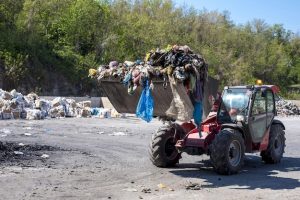

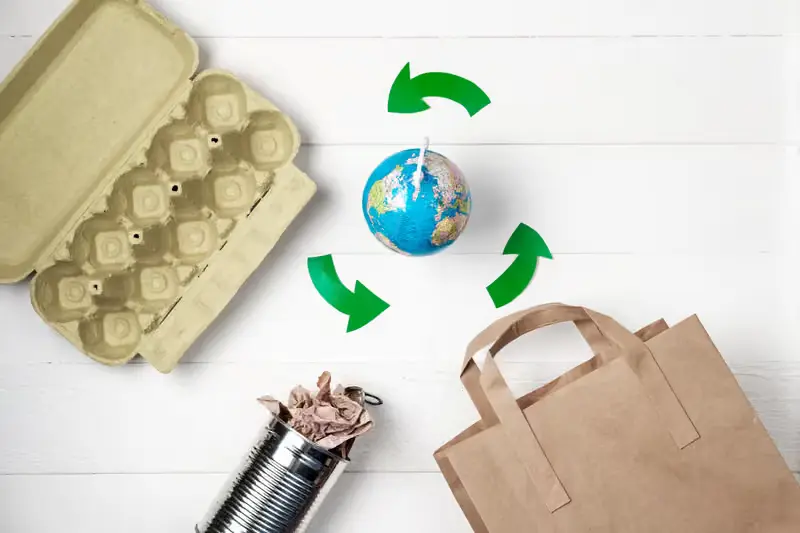
The world’s growing demand for products is placing increasing pressure on natural resources. Manufacturing, construction, packaging, and consumer industries depend on large quantities of raw materials. Many of these resources are extracted, processed, used briefly, and eventually discarded. This traditional approach creates significant environmental challenges. It also increases production costs and makes supply chains more vulnerable to resource shortages. Recycling offers a more responsible way to manage this cycle. Instead of treating used products as waste, modern recycling systems view them as valuable material sources. The concept of earth recycled materials reflects this shift toward recovering resources and returning them to productive use. It connects waste management with manufacturing, product design, and long-term environmental planning. Closed-loop recycling, post-consumer plastics, and advanced resource recovery technologies are important parts of this transformation. Together, these approaches can reduce dependence on virgin materials and support a more circular economy. However, achieving meaningful progress requires more than collecting recyclable waste. It demands better infrastructure, improved material quality, stronger industry partnerships, and responsible consumer participation.
Understanding the Value of Earth Recycled Materials
Earth recycled materials refer to resources recovered from used products, discarded packaging, construction waste, and other material streams. These resources undergo collection, sorting, cleaning, and processing before becoming inputs for new products. Common examples include recycled paper, glass, metals, plastics, and recovered textiles. Their value comes from extending the useful life of materials that would otherwise be discarded. Recycled materials also offer an alternative to virgin resources. Virgin materials are extracted directly from natural sources. Their production often requires mining, logging, drilling, or other resource-intensive activities. Recycling can reduce the need for these processes, although the environmental benefits depend on the material, processing method, energy source, and transportation requirements. It is important to distinguish between recycled, reclaimed, and reused materials. Recycled materials are processed into new raw material inputs. Reclaimed materials are recovered from existing products or structures and may retain much of their original form. Reused materials are used again without necessarily undergoing substantial processing. Each approach supports resource conservation in a different way. Businesses can gain economic advantages by incorporating recovered materials into their operations. They may reduce exposure to fluctuating raw material prices and develop more resilient supply chains. However, recycled inputs must meet specific quality and performance requirements. A sustainable purchasing strategy should therefore evaluate material composition, consistency, traceability, and suitability for the intended application.
Closed-Loop Recycling as a Foundation for Circular Resource Use
Closed-loop recycling is a system in which materials are recovered after use and returned to production for another manufacturing cycle. The objective is to keep resources circulating rather than allowing them to become waste after a single application. Traditional recycling often moves materials into different product categories. For example, a plastic container may become a lower-grade textile fiber. This is useful, but the original material may eventually become difficult to recycle further. Closed-loop systems aim to preserve material value by returning recovered resources to similar applications whenever technically and economically possible.
How Closed-Loop Material Systems Operate
A closed-loop system begins with product design. Manufacturers select materials that can be separated, collected, and processed efficiently. Products are then distributed to consumers, used, and returned through collection or take-back programs. Recycling facilities sort and process the recovered materials. Manufacturers can use the resulting inputs to produce new products. This process depends on cooperation across the entire supply chain. Product designers must consider recyclability before production begins. Retailers and collection providers need accessible return systems. Recycling facilities must maintain consistent processing standards. Manufacturers must also create demand for recovered materials. Without reliable buyers, even high-quality recycled resources may accumulate without a productive destination. Businesses can strengthen closed-loop systems by standardizing packaging materials, reducing unnecessary material combinations, and designing products with replaceable components. These decisions make recovery easier and improve the potential for repeated recycling.
Industries Adopting Closed-Loop Practices
Several industries are exploring closed-loop approaches to reduce waste and improve material efficiency. Packaging manufacturers can recover aluminum cans, glass containers, and suitable plastic bottles for new production. Automotive companies can recover metals, batteries, and selected plastic components from end-of-life vehicles. Construction businesses can reuse structural components and recycle concrete, steel, and other building materials. Electronics manufacturers can recover valuable metals from discarded devices. These applications demonstrate that closed-loop recycling is not limited to household packaging. It can influence entire industrial supply chains. However, successful adoption requires consistent material specifications. Companies should establish partnerships with recycling providers and monitor the quantity and quality of recovered inputs. Long-term purchasing agreements can also help recycling facilities justify investments in better processing equipment.
Post-Consumer Plastics and Their Role in Modern Recycling
Post-consumer plastics are materials collected after consumers have used and discarded plastic products. They include beverage bottles, food containers, household packaging, and other everyday items. These plastics represent an important resource because they can be processed into new materials instead of remaining in landfills or entering the environment. However, post-consumer plastic recycling is more complicated than collecting and melting discarded products. Waste streams often contain different polymer types, labels, adhesives, food residues, and other contaminants. These factors influence the quality of the final recycled material. The process usually involves several stages. Collection systems gather discarded plastics from households, commercial facilities, and public spaces. Sorting facilities separate materials according to polymer type, color, and other characteristics. The plastics are then cleaned to remove residues and unwanted substances. After cleaning, they are shredded into smaller pieces and processed into flakes or pellets. Manufacturers can use these materials in suitable applications. Common recyclable plastics include polyethylene terephthalate (PET), high-density polyethylene (HDPE), and polypropylene (PP). Recycled PET is frequently used in packaging and textile fibers. Recycled HDPE can support the production of containers, pipes, and household products. Recycled polypropylene has applications in automotive components, storage products, and packaging. Despite these opportunities, plastic recycling faces technical limitations. Mixed polymers can reduce product strength and consistency. Repeated processing may also affect certain material properties. Food contamination and incorrect disposal can make otherwise recyclable plastics unsuitable for recovery. Businesses should address these issues through better packaging design, clear disposal instructions, and improved collection systems. They should also avoid assuming that every plastic product can be recycled through standard municipal facilities. Material selection must reflect the capabilities of local recycling infrastructure.
Advanced Resource Recovery Technologies Transforming Waste Management
Modern recycling increasingly depends on technologies that improve material identification, separation, and processing. Traditional sorting methods remain important, but advanced systems can handle more complex waste streams and recover materials that might otherwise be lost. Technology investment should focus on measurable improvements in recovery rates, material quality, operating efficiency, and environmental performance.
Mechanical and Chemical Recycling Methods
Mechanical recycling processes materials without fundamentally changing their chemical structure. It generally involves sorting, washing, shredding, melting, and reforming recovered materials. This approach is widely used for suitable plastics, metals, and other recyclable resources. It can be efficient when incoming materials are relatively clean and consistent. However, contamination and material degradation can limit its effectiveness. Chemical recycling uses different processes to break certain materials into smaller chemical components or feedstocks. Depending on the technology, these outputs may be used to produce new polymers or other industrial materials. Chemical recycling can offer additional options for selected plastic waste streams that are difficult to process mechanically. However, it is not automatically a better environmental solution. Some methods require substantial energy, specialized equipment, and complex treatment systems. Their environmental performance depends on process efficiency, feedstock quality, emissions management, and the products generated. Companies should compare technologies using lifecycle assessments rather than relying on broad sustainability claims. Mechanical recycling is often preferable when it can produce materials that meet the required specifications. More advanced methods may be appropriate when conventional processing cannot deliver a practical recovery solution.
Recovering Valuable Materials Beyond Plastics
Resource recovery extends far beyond plastic packaging. Metals such as aluminum, copper, steel, and precious metals can be recovered from industrial waste, electronics, vehicles, and construction materials. Glass can be processed into new containers or used in selected building applications. Paper and cardboard can return to manufacturing as recycled fibers. Textiles can be sorted for reuse, fiber recovery, or specialized processing. Electronic waste is particularly important because discarded devices contain both valuable and potentially hazardous materials. Specialized recycling facilities can recover useful metals while managing batteries, circuit boards, and other components safely. Advanced sorting technologies improve these operations. Optical sensors identify materials based on their properties. Magnetic and eddy-current separators help isolate different metals. Artificial intelligence can support automated classification and improve sorting decisions. These technologies can increase recovery efficiency, but they require suitable maintenance, skilled operators, and reliable incoming waste streams.
Environmental and Economic Benefits of Recycled Material Systems
Recycled material systems can deliver environmental and economic benefits when they are properly designed. Recovering materials reduces the demand for newly extracted resources. This can limit pressure on forests, mineral deposits, water resources, and other natural systems. Recycling may also reduce the energy required for producing certain materials. For example, producing aluminum from recovered scrap generally requires substantially less energy than producing it from primary raw materials. Diverting suitable waste from landfills can also reduce disposal pressures and help prevent environmental pollution. The exact benefits vary by material and processing method. Recycling facilities consume energy and water, while transportation can add emissions. Therefore, companies should assess the complete material lifecycle rather than treating recycling as automatically impact-free. Economic benefits are equally important. Manufacturers that use recovered materials may reduce dependence on volatile commodity markets. Stable recycling partnerships can improve access to important production inputs. Recycling infrastructure also supports employment in collection, sorting, processing, logistics, engineering, and equipment maintenance. Businesses can strengthen these benefits by establishing clear procurement targets and tracking recycled content. They should also monitor product quality, processing costs, transportation distances, and waste reduction. Such measurements help organizations identify whether recycling investments are producing genuine operational and environmental improvements.
Challenges Preventing a Fully Circular Recycling Economy
Despite its potential, recycling faces several interconnected challenges. One major problem is inconsistent collection infrastructure. Some communities have convenient recycling programs, while others lack suitable collection points and processing facilities. This creates gaps in material recovery and increases contamination. Another challenge is product complexity. Modern products often combine plastics, adhesives, coatings, electronics, and other materials. Separating these components can require expensive equipment and specialized processes. Material degradation also limits the number of times certain resources can be recycled without quality losses. Financial barriers create additional difficulties. Recycling facilities require substantial investment in land, machinery, labor, energy, and transportation. When virgin materials become cheaper, manufacturers may have less incentive to purchase recycled alternatives. Unstable demand can make recycling operations financially difficult to maintain. Consumer behavior also affects performance. Unclear recycling labels and inconsistent local disposal instructions lead to incorrect sorting. Businesses sometimes use sustainability claims without providing reliable information about recycled content or actual recovery performance. Regulatory differences between regions can further complicate material movement and recycling standards. Addressing these challenges requires coordinated action. Governments need effective waste management policies and infrastructure investment. Manufacturers should simplify product designs and improve material disclosure. Recycling companies must maintain quality standards and demonstrate measurable performance. Consumers need clear information about how to separate and dispose of materials correctly.
Practical Strategies for Expanding Earth Recycled Material Adoption
Expanding the use of earth recycled materials requires a practical strategy that connects environmental goals with business operations. Manufacturers should begin by reviewing their material requirements. This includes identifying products that can incorporate recycled inputs without compromising safety, durability, or performance. Packaging redesign is another useful starting point. Reducing unnecessary layers, avoiding incompatible material combinations, and using clearly identifiable polymers can improve recyclability. Companies should also develop long-term relationships with reliable recycling suppliers. These partnerships help secure consistent material volumes and improve quality control. Procurement teams can introduce recycled-content targets and request documentation from suppliers. However, targets should be realistic and supported by available infrastructure. Businesses should also measure progress through specific indicators. Useful metrics include recycled material percentages, waste diversion rates, contamination levels, processing yields, and lifecycle emissions. Digital tracking systems can improve transparency by recording where materials originate and how they move through supply chains. Consumer education is equally important. Clear packaging labels and accessible collection points can encourage correct disposal. Governments can support wider adoption through recycling incentives, infrastructure funding, extended producer responsibility programs, and consistent material standards. These measures can help create stronger markets for recovered resources. The most effective strategy combines product design, procurement, technology, regulation, and consumer participation instead of treating recycling as an isolated waste management activity.
The Future of Material Recovery and Closed-Loop Innovation
The future of recycling will depend on how effectively industries combine technology with circular product design. Artificial intelligence and automated sorting systems are expected to play a growing role in identifying materials and improving processing accuracy. Robotics can help separate complex waste streams while reducing manual handling. Digital product information may also improve material traceability by providing details about product composition, repair options, and recycling requirements. These developments can make resource recovery more predictable and efficient. Another important trend is the growing focus on recycled-content standards and producer responsibility. Manufacturers are increasingly expected to consider what happens to products after their useful life ends. This creates opportunities for businesses that invest in recyclable designs and reliable recovery partnerships. However, technology alone cannot create a circular economy. Recycling systems still need sufficient collection capacity, accessible infrastructure, skilled workers, and consistent demand for recovered materials. Companies should prioritize solutions that deliver measurable results instead of adopting technologies simply because they appear innovative. Collaboration between manufacturers, policymakers, recycling operators, and consumers will determine how quickly these systems develop.
Conclusion
Earth recycled materials represent an important opportunity to rethink how resources move through modern economies. Closed-loop recycling helps keep valuable materials in productive use, while post-consumer plastic recovery reduces waste and creates new manufacturing inputs. Advanced resource recovery technologies also make it possible to capture valuable materials from increasingly complex waste streams. However, meaningful progress requires more than improved processing equipment. Businesses must design products for recyclability, establish dependable supplier partnerships, and measure the performance of their recycling programs. Governments need to strengthen collection infrastructure and create consistent standards. Consumers must also understand how their purchasing and disposal decisions influence material recovery. By connecting these efforts, industries can reduce dependence on virgin resources, improve supply chain resilience, and build more responsible production systems. A successful recycling economy is not simply about processing more waste. It is about preventing unnecessary waste, preserving material value, and making resource efficiency a central part of long-term economic development.