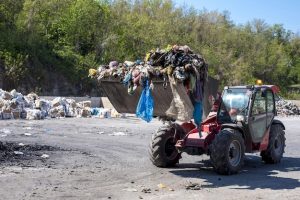

Industrial waste is often treated as an unavoidable result of manufacturing and production. However, the way businesses manage these materials can influence their operating costs, environmental performance, workplace safety, and regulatory compliance. Poor waste practices may lead to pollution, material losses, higher disposal expenses, and serious health risks. They can also create supply chain problems when valuable resources are discarded instead of recovered.
Modern industrial waste management takes a broader approach. It focuses on preventing waste, separating materials, recovering useful resources, and ensuring that hazardous substances receive appropriate treatment. This approach can turn waste control into an important part of operational planning. It also supports circular production models that reduce dependence on virgin materials. Businesses that develop structured systems can improve efficiency while preparing for stricter environmental expectations.
The Different Waste Streams Generated by Industrial Operations
Industrial facilities produce different types of waste depending on their activities, equipment, and raw materials. Manufacturing plants may generate metal scraps, rejected components, plastic offcuts, packaging, and production residues. Food processing facilities may produce organic waste, wastewater, and contaminated packaging. Chemical operations can generate solvents, oils, corrosive substances, and other materials requiring specialized handling.
Industrial waste generally includes solid, liquid, and gaseous streams. Solid waste can contain reusable materials, recyclable components, or substances that require controlled disposal. Liquid waste may include process water, cleaning solutions, oils, and chemical mixtures. Gaseous waste and emissions can result from combustion, chemical reactions, and industrial processing.
Another important distinction is the difference between hazardous and non-hazardous waste. Hazardous materials may be toxic, corrosive, flammable, reactive, or otherwise dangerous to people and the environment. Their classification depends on applicable regulations and material characteristics.
Understanding these categories is essential because no single management method works for every waste stream. A recyclable metal component should not be handled in the same way as contaminated chemical residue. Accurate identification helps businesses select suitable storage, treatment, recovery, and disposal methods.
Conduct a Waste Audit Before Designing a Management System
A waste management strategy should begin with evidence. Businesses need to understand what they discard, where it originates, how much is generated, and what happens after it leaves the facility. A waste audit provides this information and helps identify opportunities for improvement.
The audit should examine material types, quantities, contamination levels, collection procedures, storage conditions, and disposal costs. It should also consider how frequently waste is generated and whether production schedules influence volumes. Reviewing contractor invoices and collection records can reveal how much the organization spends on different waste categories.
A useful audit examines the entire production process rather than focusing only on waste storage areas. Material losses may begin during purchasing, transportation, storage, preparation, manufacturing, or packaging. Identifying these sources helps businesses prevent waste before it becomes a disposal problem.
Map Waste Generation Across the Production Process
Process mapping allows companies to follow materials from procurement to final product delivery. Teams can examine where raw materials are damaged, where machines produce excessive offcuts, and where quality problems create rejected products.
For example, inconsistent cutting settings may generate unnecessary metal scraps. Poor inventory rotation can cause materials to expire or become unusable. Excessive packaging may increase waste during distribution.
Mapping these activities helps management connect waste volumes with specific operational causes. This makes improvement projects more targeted and easier to evaluate.
Establish a Reliable Waste Classification Process
Once waste streams are identified, businesses need consistent classification procedures. Materials should be separated according to their composition, contamination, and handling requirements. Containers should have clear labels, and employees should understand which materials belong in each collection area.
Classification procedures should also include documentation and reporting responsibilities. Accurate records help prevent incompatible materials from being mixed. They also support regulatory reporting and provide useful information to authorized treatment contractors.
Apply the Waste Hierarchy to Reduce Industrial Disposal
The waste hierarchy provides a practical framework for deciding how materials should be managed. It generally prioritizes prevention, reduction, reuse, recycling, recovery, and disposal. The objective is to avoid generating waste whenever possible and preserve material value when waste cannot be prevented.
Prevention should receive the greatest attention. Businesses can review production methods, product specifications, and purchasing decisions to reduce unnecessary material consumption. Buying more accurate quantities, improving storage conditions, and maintaining equipment can prevent damage and production losses.
Waste reduction focuses on using fewer resources during operations. Manufacturers may optimize cutting patterns, adjust production settings, and improve quality controls. These changes can reduce rejected products and lower the volume of residual materials.
Reuse provides another opportunity. Containers, pallets, equipment components, and certain production materials may be used repeatedly when safety and quality requirements allow it. Recycling becomes relevant when materials can no longer serve their original purpose but remain suitable for processing.
Energy or material recovery may be appropriate for selected residual streams. Disposal should generally be the last option, particularly when materials could be safely recovered. However, the hierarchy must be applied with technical and environmental judgment. Recycling a contaminated material may require more resources or create additional risks than a suitable alternative treatment method.
Turn Industrial By-Products Into Resources Through Circular Practices
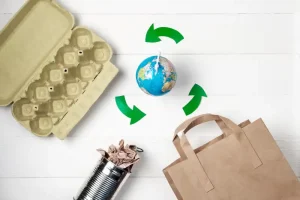
Circular practices aim to keep materials and products useful for as long as possible. Instead of following a linear model of extracting resources, manufacturing products, and discarding leftovers, businesses can design systems that support reuse, refurbishment, and recovery.
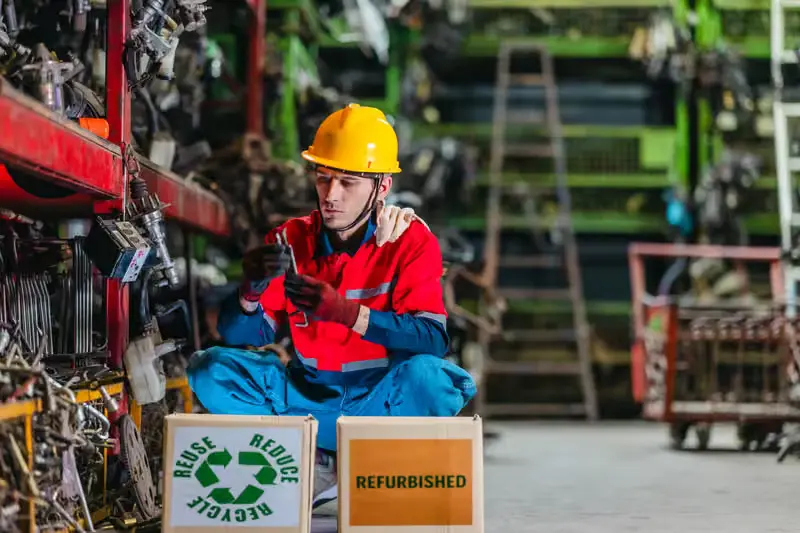
A manufacturer may recover metal scraps and return them to a recycling supplier. A facility may reuse suitable process water after treatment. Packaging can be redesigned for repeated use rather than single-use disposal. Equipment components may be refurbished instead of replaced entirely.
These practices can reduce demand for virgin materials and limit waste disposal. They may also create financial opportunities when recovered materials have commercial value. However, companies must evaluate quality, processing costs, storage needs, and market demand before building recovery programs.
Develop Industrial Symbiosis and Material Exchange Partnerships
Industrial symbiosis occurs when businesses collaborate to exchange materials, energy, water, or by-products. A material that has little value to one facility may become a useful input for another. For example, a manufacturer may supply suitable production residues to a company that can process them into secondary raw materials.
Successful exchanges require reliable quality standards and consistent supply. Businesses should establish clear specifications, contamination limits, delivery arrangements, and commercial agreements. Transportation costs must also be considered. A recovery opportunity may not provide environmental or financial benefits if materials need to travel excessive distances.
Local industrial networks can make these partnerships more practical. Companies operating in the same region may identify opportunities to exchange reusable materials and reduce disposal requirements.
Design Products and Processes for Reuse and Recovery
Circular waste management becomes easier when products are designed with their next use in mind. Businesses can select recyclable materials, reduce unnecessary components, and make products easier to repair or disassemble.
Manufacturers should also consider how production processes affect material recovery. Combining several materials in ways that make separation difficult can reduce recycling opportunities. Standardized components and modular designs may simplify maintenance and refurbishment.
These decisions should be considered during product development rather than after manufacturing systems are established. Early design choices can determine how much waste a product generates throughout its life cycle.
Manage Hazardous Industrial Waste With Strong Safety Controls
Hazardous industrial waste requires careful management because incorrect handling can expose workers, communities, and ecosystems to serious risks. Common examples include certain solvents, chemical residues, contaminated oils, corrosive substances, batteries, and materials containing toxic compounds.
The first requirement is accurate identification. Businesses should maintain information about material composition, hazards, compatibility, and applicable handling procedures. Safety data sheets and relevant regulatory guidance can support these assessments.
Storage areas should be designed for the materials they contain. Suitable containers must be compatible with the waste, securely closed, and clearly labeled. Incompatible substances should be kept separate to prevent dangerous reactions. Facilities may also need secondary containment to control leaks and spills.
Employee training is essential. Workers who handle hazardous waste should understand the relevant risks, protective equipment requirements, emergency procedures, and reporting responsibilities. Access to storage areas should be restricted to authorized personnel.
Transportation and final treatment require equal attention. Businesses should work with qualified waste contractors that can demonstrate appropriate authorization, handling procedures, and disposal arrangements. Records should document waste quantities, transfers, destinations, and treatment methods. Applicable requirements vary by jurisdiction, so companies must verify the rules governing their facilities and waste categories.
Select Treatment and Disposal Methods Based on Waste Characteristics
Industrial waste treatment should reflect the composition, contamination, and risk profile of each material. Physical separation can remove solids from liquids or separate different material categories. Filtration can reduce suspended particles in selected wastewater streams. Biological treatment may be suitable for certain organic contaminants.
Chemical treatment can help neutralize or transform specific substances under controlled conditions. Thermal processes may be used for selected waste streams that require specialized treatment. Recycling facilities can recover metals, plastics, oils, and other materials when their quality meets processing requirements.
The selection process should consider environmental impact, worker safety, treatment effectiveness, cost, and regulatory obligations. Businesses should not assume that the cheapest disposal option is the most responsible. Poorly selected treatment can create additional pollution or expose the organization to compliance risks.
Companies should also verify what happens after waste leaves their premises. Contractor selection should include checks on permits, treatment capabilities, documentation, and final destinations. A transfer receipt alone may not provide enough assurance that materials have been managed appropriately.
Use Technology to Improve Waste Tracking and Operational Control
Digital tools can make industrial waste systems more accurate and easier to manage. Traditional paper records may become difficult to maintain when facilities handle multiple waste categories across several locations. Digital platforms can centralize information and improve visibility.
Waste tracking software can record material types, quantities, collection dates, storage locations, and contractor transfers. Barcode or QR code labels can help employees identify containers and access handling instructions. Connected weighing systems can capture waste volumes at collection points, reducing manual data entry.
Sensors and automated sorting equipment can support more efficient separation. Monitoring systems may also identify unusual changes in waste generation. For example, a sudden increase in rejected materials could indicate equipment problems or inconsistent production quality.
Dashboards can help managers compare performance across departments and facilities. However, technology is only useful when the underlying information is reliable. Businesses should establish clear data ownership, standard measurement methods, and regular verification procedures before depending on automated reports.
Build Employee Accountability Into Daily Waste Operations
A waste management system depends on the people who use it. Employees in production, maintenance, procurement, warehousing, and administration all influence material consumption and disposal practices.
Training should focus on everyday responsibilities. Workers need to know how to separate materials, identify hazardous waste, report spills, and prevent contamination. Instructions should be easy to understand and available near relevant workstations.
Managers should make correct procedures practical. Clearly labeled containers, accessible collection points, suitable protective equipment, and consistent schedules can reduce mistakes. Supervisors can conduct routine inspections and discuss recurring problems with their teams.
Employee feedback can also reveal improvement opportunities. Workers who operate machinery often understand where material losses occur. Involving them in process reviews can produce practical solutions that management might otherwise overlook.
Accountability should not depend only on individual behavior. Procurement policies, equipment maintenance, production planning, and management decisions also influence waste generation. Shared responsibility helps create a system that supports good practices across the organization.
Measure Progress Toward Industrial Zero-Waste Goals
Zero-waste systems aim to minimize the amount of material sent for disposal by preventing waste and maximizing reuse, recycling, and recovery. Reaching this goal can be difficult because some industrial processes generate residues that cannot currently be recovered safely or economically.
Companies should therefore define their targets clearly. They need to explain which facilities, materials, and disposal routes are included. A zero-waste claim should not hide hazardous residues, exclude difficult waste categories without explanation, or rely on unsupported assumptions about recycling.
Useful performance indicators include waste generated per unit of production, recycling rates, landfill diversion, hazardous waste volumes, contamination rates, and total disposal costs. Businesses can compare these measures over time to identify whether changes are producing meaningful results.
Targets should include realistic milestones and assigned responsibilities. A facility might first aim to reduce production scrap, then improve material segregation, and later expand partnerships with recovery providers. Regular reviews can identify delays and help management adjust its approach.
External reporting should be accurate and transparent. Companies should explain their measurement methods, limitations, and progress against targets. This builds credibility and helps stakeholders distinguish between genuine operational improvements and promotional claims.
Conclusion
Industrial waste management is no longer just a disposal responsibility. It is a strategic part of production efficiency, environmental protection, workplace safety, and long-term resource planning. Businesses can strengthen their systems by auditing waste streams, preventing material losses, adopting circular practices, and applying strict controls to hazardous substances. Technology and employee involvement can improve tracking and daily operations, while reliable performance indicators make progress measurable. Zero-waste ambitions should be supported by practical milestones and transparent reporting. When organizations treat waste as a resource management challenge rather than an unavoidable cost, they can reduce environmental risks, recover valuable materials, and build more efficient industrial operations.